July 31, 2026
When summer temperatures climb, a fully functioning cooling system becomes essential for maintaining household comfort and indoor air quality. While homeowners can handle basic maintenance tasks like changing filters or clearing debris around the outdoor condenser unit, complex mechanical issues demand specialized expertise. Recognizing early warning signs prevents minor system hiccups from cascading into complete equipment failure during heatwaves. According to IBIS World, as of 2026, there are approximately 623,661 people employed in the broader U.S. heating and air conditioning contracting industry. Promptly identifying operational faults ensures efficient performance, lowers monthly energy costs, and extends the lifespan of your system.
1. Identifying Warm Air Flowing Through Vents
Finding lukewarm air blowing through supply registers indicates a failure within the refrigeration cycle or distribution mechanics. This issue frequently stems from low refrigerant levels, a malfunctioning compressor, or frozen evaporator coils restricting heat exchange. Thermostat misconfigurations or ductwork leaks can also allow unconditioned air to circulate through living spaces. Continuing to run an air conditioner in this state forces internal components to operate continuously without reaching the set temperature. Scheduling timely AC repair resolves the underlying component failure, prevents excessive electrical consumption, and restores consistent cooling capacity throughout your entire home.
2. Detecting Unusually Loud Mechanical Sounds
Hearing grinding, squealing, banging, or persistent rattling noises signals serious internal mechanical distress within your cooling unit. Squealing sounds often point to worn blower motor belts or failing bearings, while metallic banging suggests loose connecting rods inside the compressor assembly. Ignoring these auditory red flags leads to severe component degradation and unexpected system shutdowns. Trained technicians possess specialized diagnostic tools to locate the exact source of friction or structural displacement within moving parts. Professional interventions restore quiet operation, protect critical internal hardware from irreversible destruction, and prevent full equipment replacement scenarios.
3. Observing Short Cycling Cooling Loops
Noticing your cooling system rapidly cycling on and off without reaching programmed indoor temperatures indicates short cycling. This inefficient operational pattern frequently results from oversized equipment, failing thermostat sensors, or severely restricted airflow across dirty coils. Rapid start-up cycles subject electrical relays and motor capacitors to intense thermal stress, accelerating component wear and inflating energy bills. System short cycling prevents proper dehumidification, leaving indoor spaces feeling damp and uncomfortable. Expert technicians evaluate electrical circuits, calibrate temperature control devices, and perform precise airflow adjustments to restore standard operating rhythms and preserve overall longevity.
4. Noticing Water Leaks Around Equipment
Discovering pooled water or active drips around indoor central air components points to condensate drainage failure. As warm air passes across evaporator coils, moisture condenses and flows into a drain pan designed to funnel water outside. Clogged condensate drain lines, cracked drain pans, or failing condensate pumps cause water to overflow into surrounding living areas. Standing water invites structural wood damage, ceiling stains, and rapid mold growth within home building materials. Professional servicing clears blockages using high-pressure lines, replaces broken containment components, and applies preventative treatments to inhibit future microbial accumulation.
5. Monitoring Sudden Spikes in Energy Bills
Tracking unexplained surges on your monthly utility statements often reveals hidden cooling efficiency losses. When internal components lose operational efficiency due to mechanical friction, clogged passages, or electrical strain, the unit draws significantly more electricity to cool your living area. Dirty evaporator coils, failing motor capacitors, or leaking ductwork force the system to work twice as hard to achieve basic temperature settings. Timely AC repair identifies latent performance bottlenecks, calibrates critical electrical connections, cleans internal heat exchangers, and stabilizes utility expenses by returning equipment to factory baseline operating conditions.
6. Smelling Burning or Foul Odors
Detecting persistent foul, musty, or metallic burning smells coming from supply registers demands immediate technical inspection. Musty odors usually signal mold or bacteria growing inside air ducts or on damp evaporator coils, often referred to as dirty sock syndrome. Burning smells indicate overheating electrical wire insulation, failing blower motors, or severe mechanical friction within moving assemblies. Operating an air conditioner with electrical fault odors creates potential fire hazards and degrades indoor air quality. Certified technicians thoroughly clean biological growth, replace damaged wiring harnesses, and secure loose electrical connections safely.
7. Experiencing High Indoor Humidity Levels
Feeling sticky or humid air inside your residence during routine cooling cycles suggests dehumidification failure. Air conditioners naturally remove moisture from indoor environments as part of the thermal exchange process. When system capacity drops due to improper refrigerant charge, reduced airflow, or compressor weakness, relative humidity levels rise significantly indoors. High humidity encourages dust mite proliferation, promotes fungal growth, and makes indoor temperatures feel hotter than displayed on thermostat monitors. Comprehensive AC repair restores proper evaporator temperatures and airflow balances, returning indoor humidity levels to comfortable, healthy ranges.
8. Inspecting Frozen Evaporator Coils Outside
Finding ice accumulation on external refrigerant lines or indoor evaporator coils indicates severe thermal transfer blockage. Ice formation occurs when restricted airflow or low refrigerant levels prevent coils from absorbing sufficient heat, dropping coil temperatures below freezing. Continuing to operate a frozen system damages internal compressor valves and risks liquid refrigerant returning to the pump, causing total compressor destruction. Technicians safely thaw the system, repair refrigerant leaks, replenish system fluid levels, and clear airflow obstructions to prevent recurrent freezing and maintain stable thermal dynamics.
9. Addressing Unresponsive Thermostat Controls
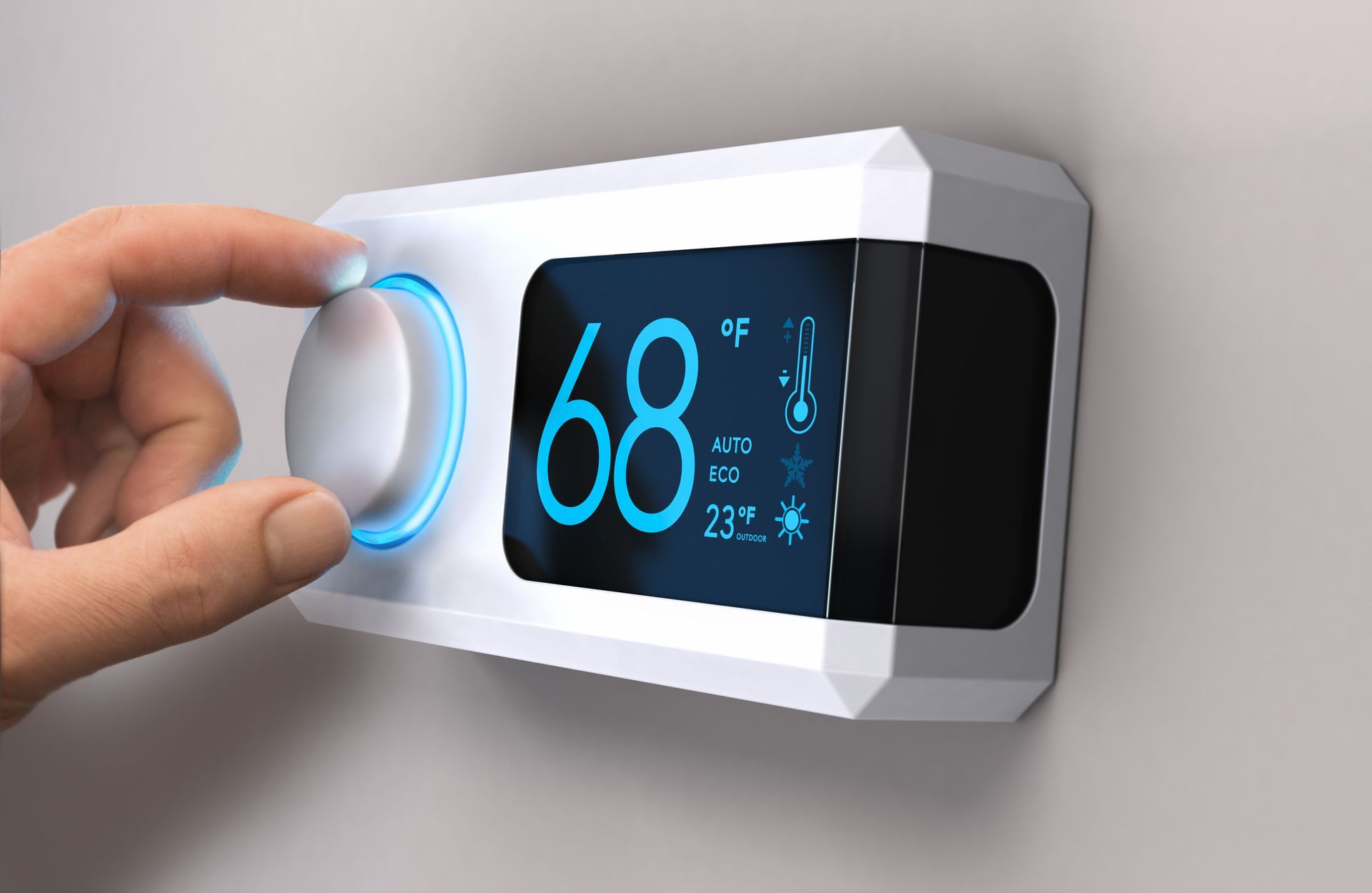
Encountering a thermostat that fails to communicate with your outdoor compressor or indoor blower unit interrupts thermal regulation. Broken control wiring, dead circuit boards, or outdated sensor calibration prevent the HVAC unit from receiving proper operational commands. Homeowners often misdiagnose thermostat communication failures as total compressor meltdowns, leading to unnecessary stress. Modern AC repair procedures include checking control voltage, testing thermostat signals, updating software interfaces, and replacing damaged communication wiring. Proper control adjustments allow your cooling equipment to respond accurately to changing indoor temperatures throughout every season.
10. Managing Frequent Electrical Breaker Trips
Experiencing repeated circuit breaker trips when your air conditioner starts indicates dangerous electrical overloads. Cooling units pull substantial electrical current during initial startup, but short circuits, failing capacitors, or grounded motor windings cause current spikes that trip safety breakers. Resetting breakers repeatedly without addressing root electrical problems damages home electrical panels and risks catastrophic wiring overheating. Experienced technicians inspect internal electrical connections, replace failing start capacitors, evaluate compressor motor resistance, and ensure all wiring handles electrical loads safely without disrupting household circuit protection systems.
11. Remedying Uneven Cooling Across Rooms
Distributing air unevenly across different rooms leaves some zones uncomfortable while others feel overly cold. Airflow imbalances stem from leaking ductwork, failing zone dampers, improperly sized equipment, or restricted return air grilles. When air distribution channels lose pressure through structural tears, cooled air escapes into unconditioned attics or crawlspaces rather than reaching living areas. Specialized AC repair includes pressure testing ductwork, sealing joint leaks, adjusting damper balances, and verifying blower motor speeds. Balancing airflow distribution creates uniform indoor temperatures, enhances home comfort, and stops energy waste through hidden duct leaks.
12. Evaluating System Age and Frequent Breakdown Cycles
Managing an aging cooling system that suffers frequent operational breakdowns requires rigorous mechanical evaluation. Air conditioners operating past ten years experience cumulative component wear, reducing overall efficiency and increasing repair frequencies. Continual component replacements become cost-prohibitive when major assemblies like compressors or heat exchangers begin failing sequentially. Qualified HVAC professionals evaluate system health, conduct thorough cost-benefit analyses, and perform necessary AC repair to keep aging units running safely until planned replacement occurs. Comprehensive diagnostic evaluations give homeowners clear insights regarding component reliability, operating costs, and overall equipment longevity.
Recognizing early indicators of air conditioning distress allows homeowners to address mechanical failures before expensive system breakdowns occur. Timely professional intervention restores operational efficiency, protects indoor air quality, and lowers monthly energy bills throughout peak summer seasons. Qualified technicians possess the specialized diagnostic tools, safety credentials, and technical knowledge required to resolve complex electrical and refrigerant issues safely. Scheduling regular mechanical inspections and addressing operational red flags immediately ensures your cooling system delivers reliable, consistent comfort for years to come. Investing in prompt AC repair ultimately preserves equipment longevity, safeguards household air quality, and provides essential peace of mind during extreme weather conditions. If you are seeking professional-level AC repair services in Burlington County, NJ, Jonathan's Plumbing Heating & Air has you covered! Call today to schedule an appointment.